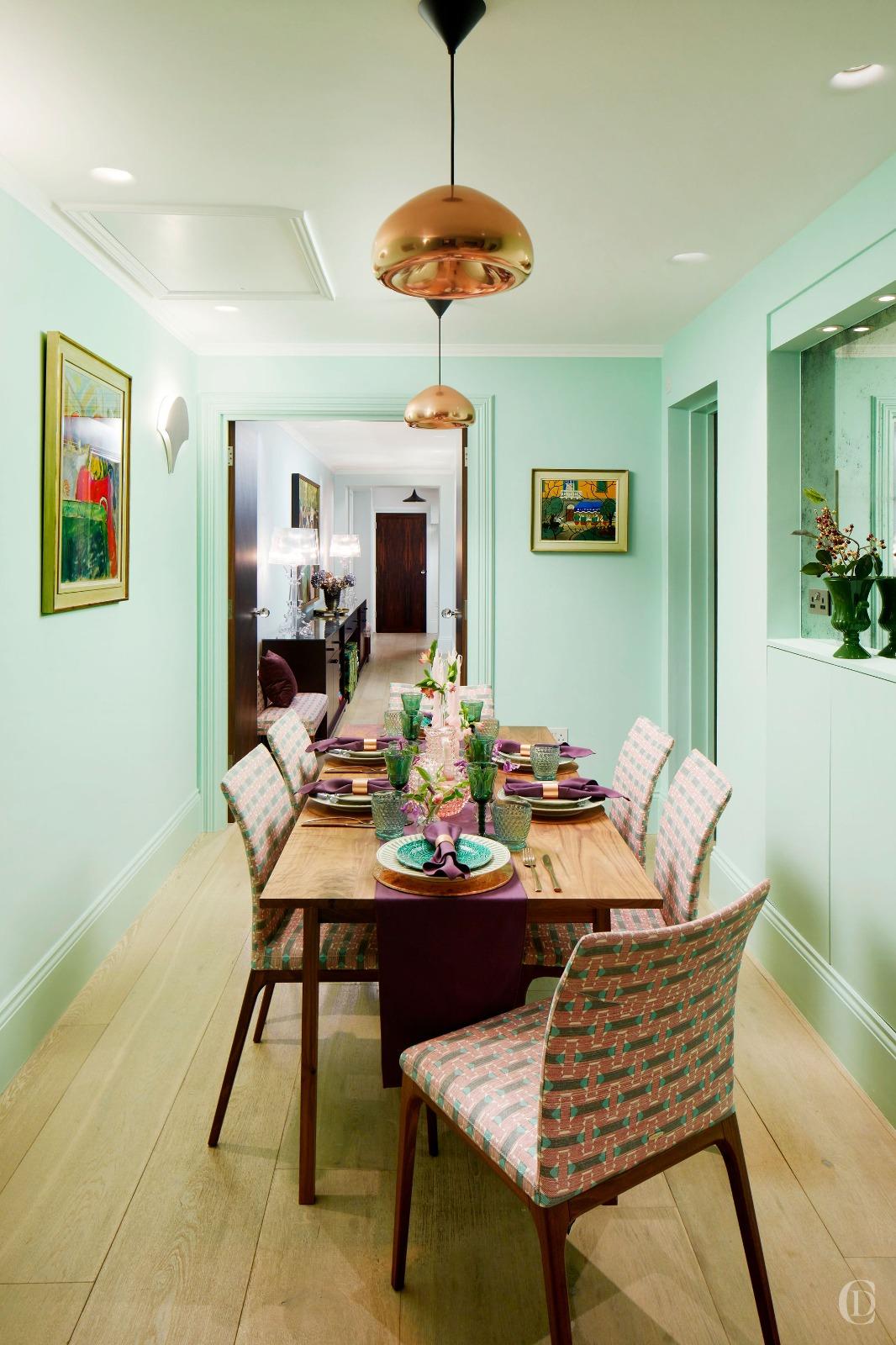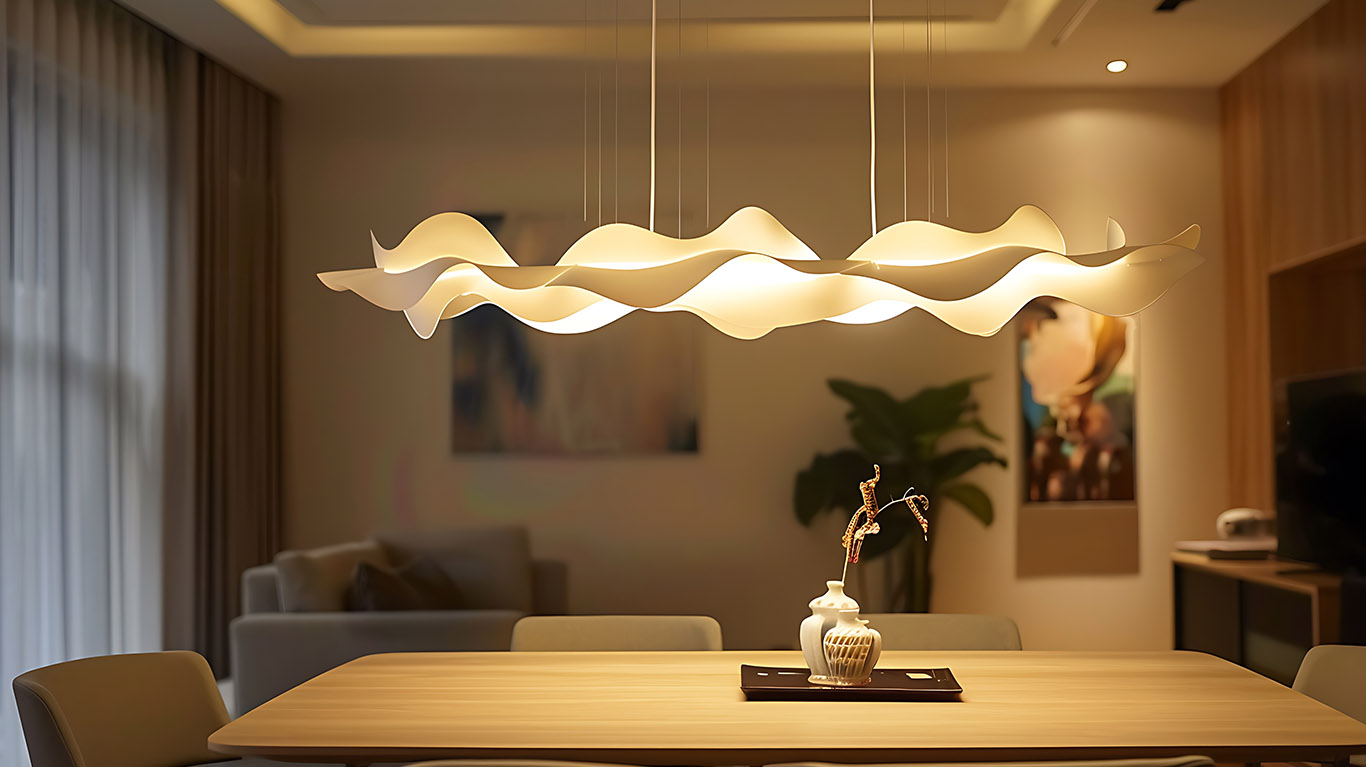
Crafting a lighting scheme for a new project gets us very excited here at the studio; planning circuits, positioning fittings and selecting lights is a vast topic. In the last Expert’s Tip article I discussed layers of light , circuits and technical factors – once this is settled we then consider what type of fittings to specify and where to source the actual fittings to use for the specific zones and tasks which we designated. Lighting is more than mere illumination; it shapes mood, defines style, and enhances every facet of a room’s design.
I see lighting as a transformative tool that can enrich the beauty of a space while offering practical solutions. Choosing the right lights is not only an aestetic but also technical process. For certain applications there are surprisingly few choices as we recently discovered for interior pool wall lights (speak to us about that) . Fortunately advances in design, engineering and production have recently led to much improved choices for certain types of previously very limited lighted; IP rated bathroom lights and portable lamps. I often speak to manufacturers at trade fairs and encourage them to develop products which i see are missing in the market. Read on for my comprehensive guide to curating the selections for perfect lighting scheme, bringing depth and sophistication to any room.
1. Understand the Purpose of Lighting in Each Room
By way of a quick recap, before we can start selecting and proposing fittings, we must remember our purpose and goals and parameters:
Lighting serves a different purpose in every space, and before you begin, it’s essential to ask yourself some key questions:
- How is the room used, for relaxation, work, or entertaining or a combination?
- What’s the mood, style, period or atmosphere you want to create?
- Are there any architectural details or decor features you’d like to emphasize?
- What are the limitations that could clash with your desired fittings: curtains in the way of wall lights, cupboard doors which need to open and would hit pendant lights, ceiling heights, the need for directional adjustment of the light source?
For instance, in a living room where you’ll entertain guests, lighting should strike a balance between functional and atmospheric.
A kitchen, on the other hand, demands brighter task lighting for cooking, along with decorative fixtures to elevate the space. You might be facing very high or low ceilings so you could use pendants or spots, if you opt for shelves rather than wall units over the work surface you could install wall lights with movable arms rather then LED strips which are typically fitted under the wall units.
Make a list of the activities and vibe you envision for each room before shopping for lights. This roadmap will help you focus on what’s practical and what enhances the overall aesthetic.